 Hakan Çelik
Invisible Metaclasses In Python

Invisible Metaclasses In Python
Every class in Python has a metaclass. If you don’t specify one explicitly, Python uses the type metaclass by default. This means the following two class definitions are completely equivalent:
class K(metaclass=type):
    pass

class Example(K, metaclass=type):
    pass
In the code above, metaclass=type is written explicitly. But you get the same result without writing it:
class K:
    pass

class Example(K):
    pass
What Does This Mean?
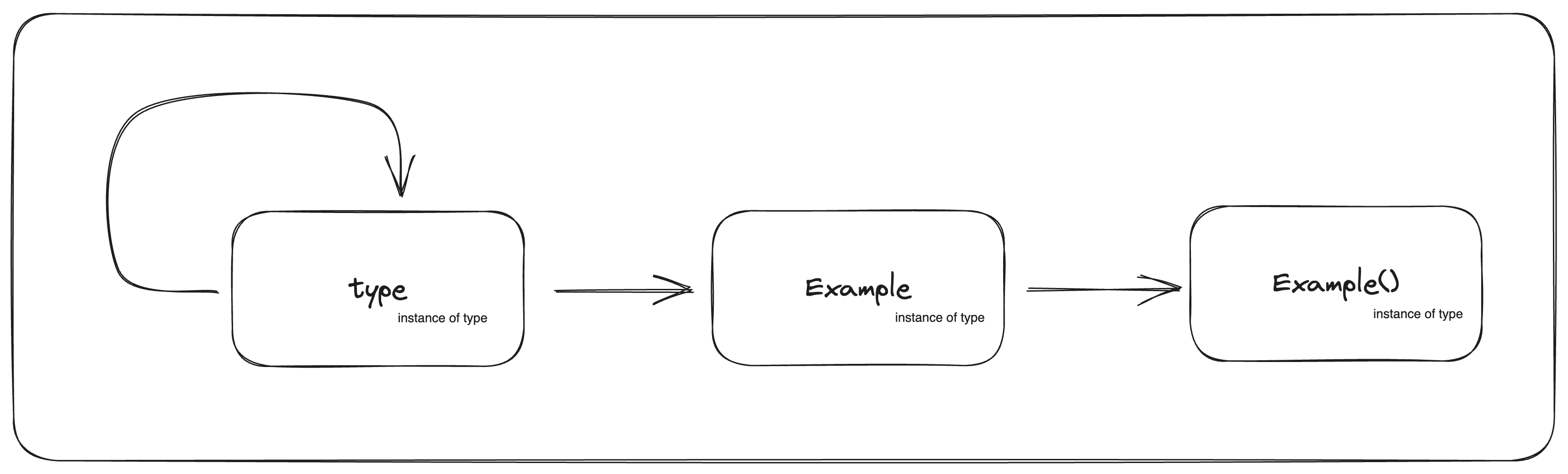
type sits at the very top of the metaclass hierarchy in Python. When you define a class, Python does the following behind the scenes:
>>> type(K)
<class 'type'>

>>> type(Example)
<class 'type'>
In both approaches the class’s type is type, because when no metaclass is specified Python automatically brings type into play. This is the “invisible metaclass” behavior — you don’t see it, but it is always there.
Inheritance and Metaclass
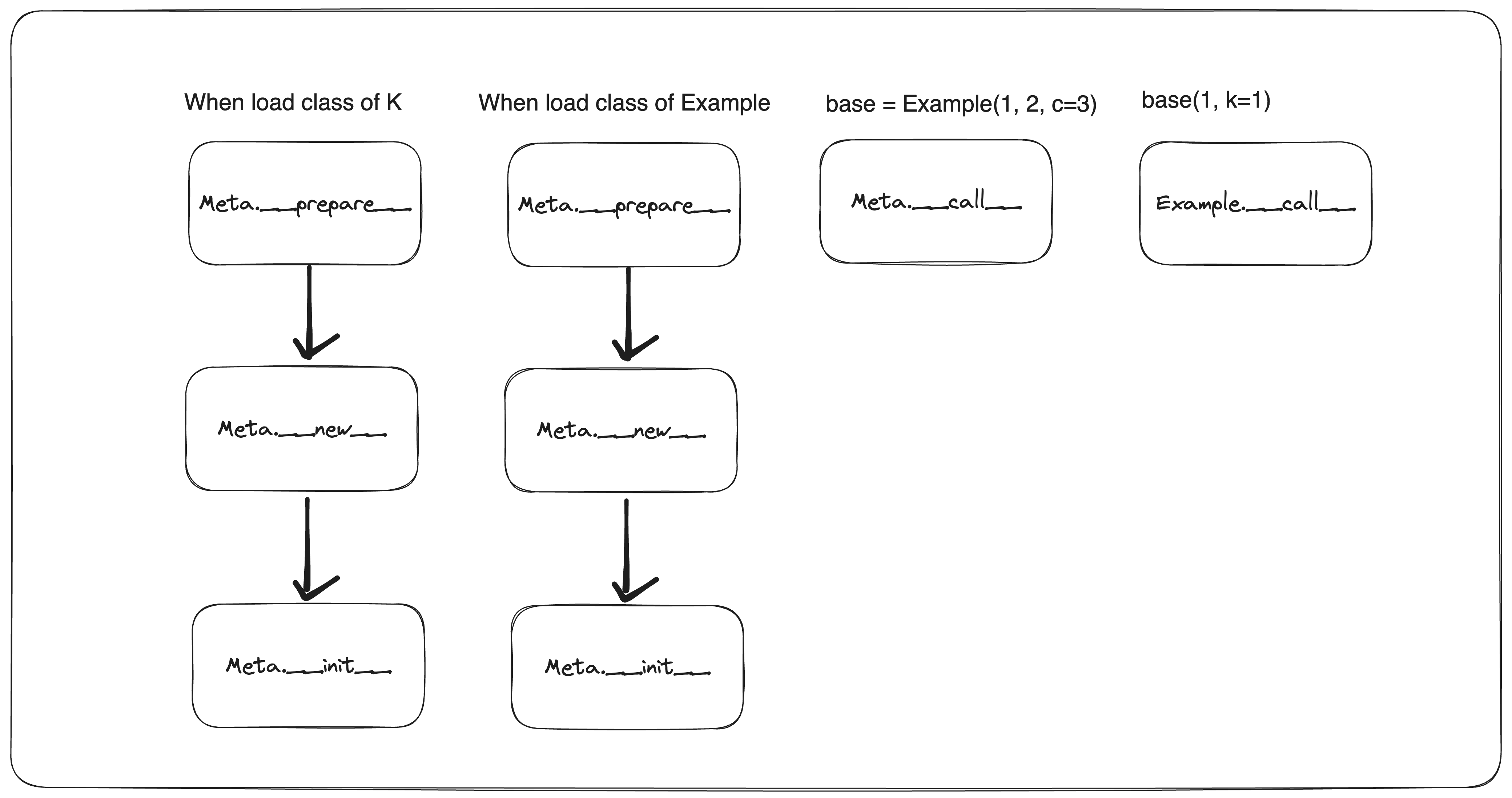
When a class inherits from another, the parent class’s metaclass is also inherited. In the Example(K) example, since K’s metaclass is type, Example’s metaclass is also type. When you define a custom metaclass this behavior changes:
class Meta(type):
    pass

class K(metaclass=Meta):
    pass

class Example(K):  # Meta is inherited, not type
    pass

>>> type(Example)
<class '__main__.Meta'>
Why Does This Matter?
The type metaclass remains invisible in most situations; however, understanding this default behavior is critically important when you are writing your own metaclass or examining a library’s metaclass. Not specifying a metaclass does not mean “no metaclass” — it simply means type is quietly doing its job.