 Hakan Çelik
· Hakan Çelik · Python · 2 dk okuma
What Is Python?
What Is Python?
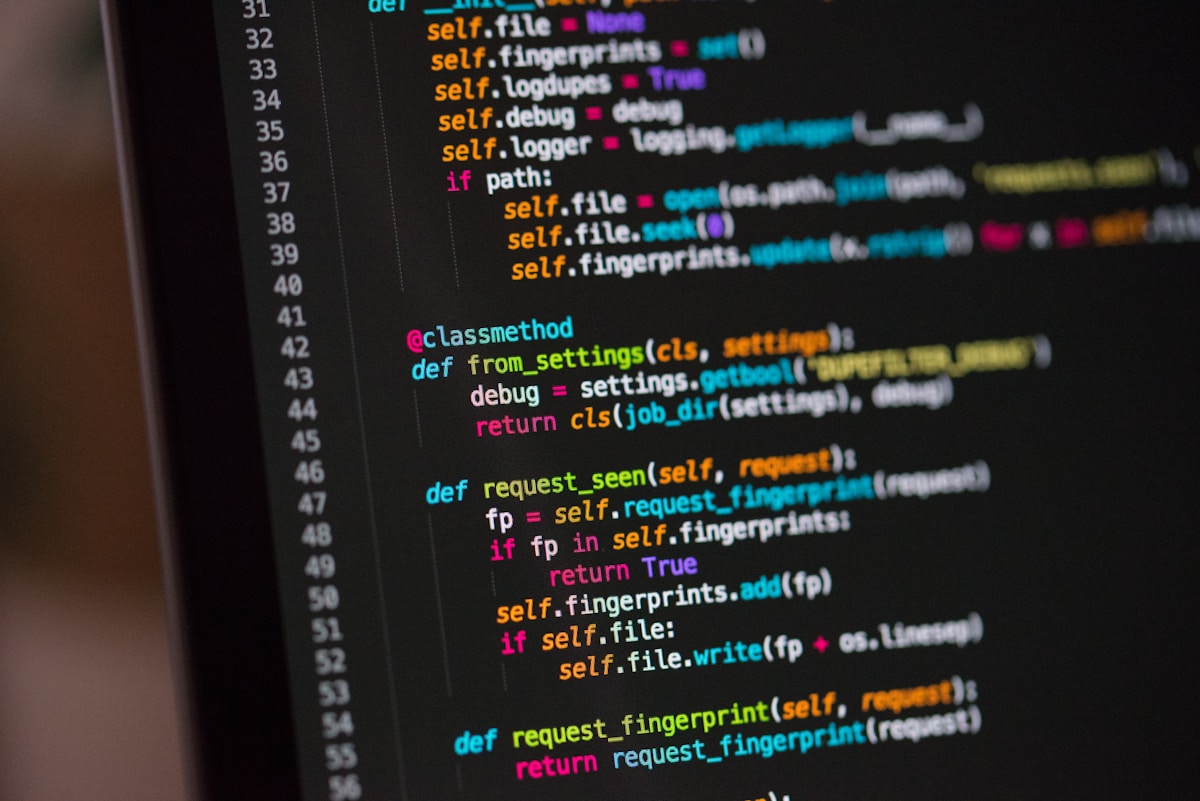
Python is an open-source, general-purpose programming language developed by Guido van Rossum in 1991. Thanks to its simple and readable syntax, extensive standard library, and active community, it has become one of the world’s most popular programming languages among both beginners and experienced developers.
Key Features
Readable and clean syntax Python offers a clean syntax that makes code easy to read and write. It uses indentation instead of curly braces ({}), which keeps code tidy and makes collaboration within teams easier.
Interpreted language Python code is executed directly without a compilation step. This makes the edit–test–debug cycle extremely fast and ideal for rapid prototyping and scripting.
Dynamic typing You do not need to declare variable types in advance; Python determines the type at runtime.
Rich standard library With its “batteries included” philosophy, it provides ready-made modules for networking, the file system, data processing, testing, and much more. You can accomplish a great deal without any external dependencies.
Vast ecosystem There are over 500,000 third-party packages available on PyPI.
Where Is Python Used?
- Web development: Backend applications with frameworks like Django, FastAPI, and Flask
- Data science and machine learning: NumPy, pandas, scikit-learn, TensorFlow, PyTorch
- Automation and scripting: File operations, API integration, test automation
- Scientific computing: SciPy, SymPy
- DevOps / system administration: The language behind tools like Ansible and Fabric
Your First Python Program
If Python is installed, you can open an interactive shell in the terminal with the python3 command:
>>> print("Hello, World!")
Hello, World!
Or you can create a file named hello.py and run it:
# hello.py
print("Hello, World!")
python3 hello.pyWhy Learn Python?
Python is one of the best entry points into the world of software. Because its syntax is close to plain English, concepts are easy to grasp. It is used across a wide spectrum — from web to artificial intelligence, from games to automation — and demand for it in the job market continues to grow.
For more information, you can check out the official Python documentation.